Top 10 Reasons a Legacy Video Becomes Your Family’s Most Meaningful Heirloom
Biographical-LIFE.com exists for one central purpose, to help families preserve what matters most. In a world where photos live on phones and memories blur with time, a legacy video stands apart as a living heirloom. It captures voice, expression, laughter, cadence, and the small, irreplaceable details that written records rarely hold. It also creates a shared experience, something family members can return to together during milestones, holidays, and hard seasons.
This article explores the Top 10 Reasons a Legacy Video Becomes Your Family’s Most Meaningful Heirloom. Each reason is written as a practical point, with examples and guidance that reflect the work of professional storytelling and video production, including interview style legacy films, memorial tribute videos, video wills or final messages, hospice and palliative care storytelling, and obituary and eulogy video production.

Top 10 Reasons a Legacy Video Becomes Your Family’s Most Meaningful Heirloom
- 1. It preserves a voice and presence that no photo can replicate
A photograph can be sacred, but it is silent. A legacy video captures the sound of a voice, the rhythm of speech, and the facial expressions that family members instinctively remember but cannot fully reconstruct once time passes. Years from now, hearing a loved one say a nickname, tell a familiar story, or offer encouragement can bring immediate comfort and a sense of closeness that few other heirlooms provide.
This is especially true for children and grandchildren. Many people grow up with only faint memories of a grandparent, an aunt, or an older sibling. A legacy video gives them a way to form a relationship with that person’s personality, not just their biography. You hear how they greet someone. You see how their eyes light up when they remember a childhood friend. You notice their humor, their pauses, their warmth. Those elements become an emotional bridge across generations.
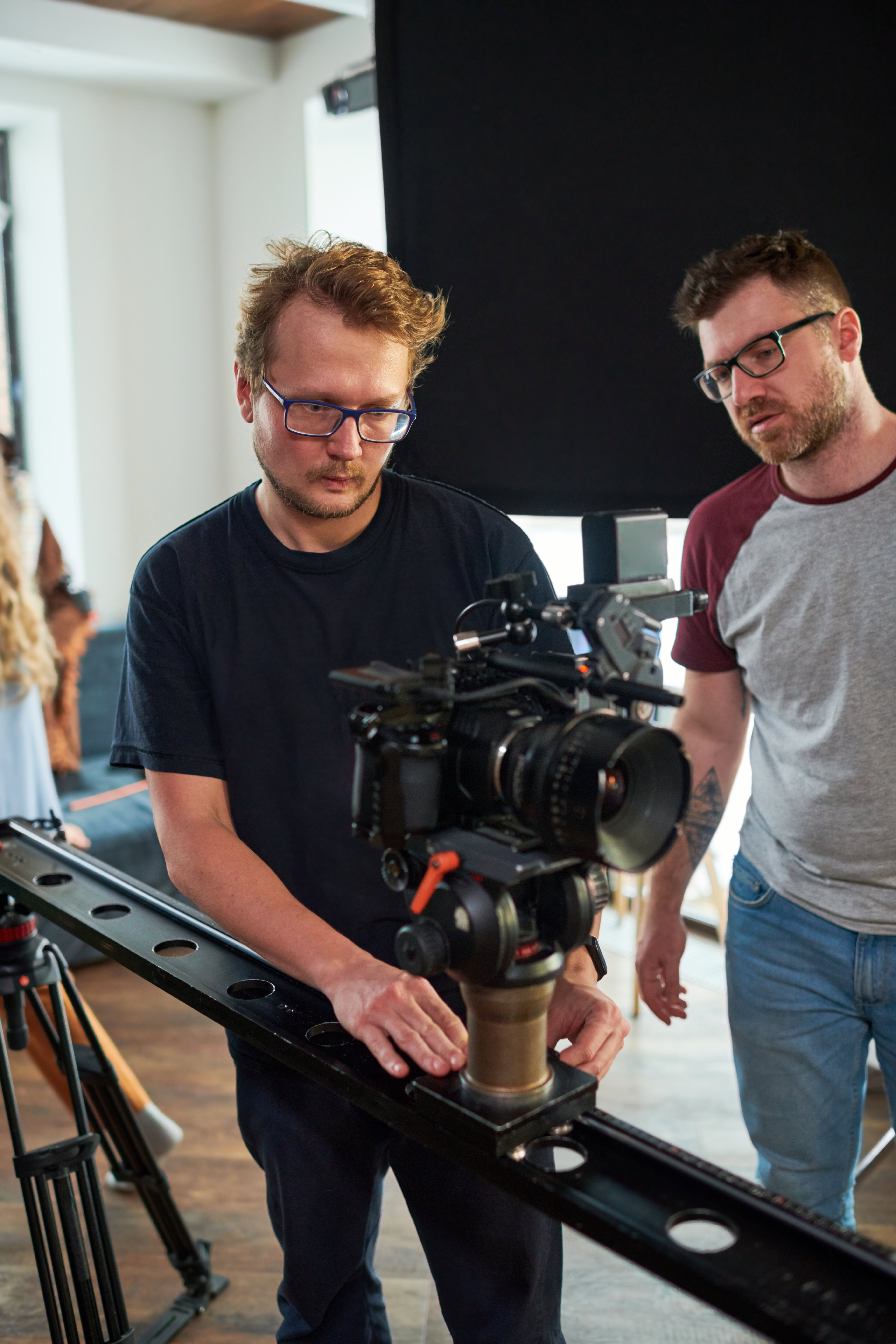
Professional interview style filming makes this even more impactful. Good lighting, clean audio, and thoughtful framing help the viewer feel like they are in the room. When the audio is crisp, people replay it more. When the image is stable and flattering, families share it more confidently. Quality production is not about glamour, it is about clarity and longevity. A meaningful heirloom should be easy and pleasant to revisit.
There is also a practical side. Technology changes fast, and many home videos are hard to play later due to old formats or missing files. When a legacy video is produced with archival considerations, including modern deliverables, organized file structure, and reliable storage options, the family gets not only a powerful memory but a durable record.
- 2. It stores values, wisdom, and life lessons in the storyteller’s own words
Heirlooms often hold symbolic value, a ring, a watch, a recipe card. But symbolism can fade if the story behind it is not passed down. A legacy video allows someone to explain what mattered to them, what they learned the hard way, and what they want their family to remember when they are no longer present.
Many people have a few guiding principles that shaped their life, faith, work ethic, relationships, and resilience. A legacy video captures those principles with the nuance they deserve. A person can talk about a turning point, the moment they decided to forgive, the season they overcame addiction, the mentor who changed their path, or the quiet daily habits that built a meaningful life. Those details help future generations understand the deeper context of decisions and outcomes.
This is not just advice as a list. It is wisdom anchored in real events. Viewers get to see the sincerity behind the message. They hear emotion in the voice. They notice the humility when someone admits regret or the pride when someone recalls raising a family under difficult circumstances. That authenticity is what makes the guidance believable and usable.
A professional interviewer can gently draw out these reflections. Good questions move beyond dates and job titles and into themes, purpose, friendship, parenting, service, hardship, and hope. With skilled storytelling, the final film becomes a legacy of character, not just a record of accomplishments.
- 3. It turns family history into a story people actually want to watch
Most families have fragments of history scattered across conversations, documents, and half remembered anecdotes. Legacy video production organizes those fragments into a narrative with momentum. Instead of a timeline that feels like homework, you get a story with emotion, humor, conflict, and resolution, the same elements that make any film compelling.
This matters because attention is the gatekeeper of remembrance. If younger family members are not engaged, history can disappear within one or two generations. A well crafted legacy video uses structure and pacing to keep viewers invested. It can include chapters, themes, or natural turning points like immigration, military service, meeting a spouse, raising children, entrepreneurship, illness, or personal reinvention.
In video form, family history can blend interview footage with supporting photos and archival materials. A wedding photo becomes more meaningful when the storyteller describes what they were feeling that day. A military portrait gains depth when the person explains fear, camaraderie, and what they carried home emotionally. Old home movies become more valuable when they are contextualized with names, places, and relationships.
The result is something families watch more than once. It becomes a feature of family gatherings, a resource for genealogy, and a way to keep the origin story alive. A legacy video is not a dusty binder. It is an experience.
- 4. It protects stories that would otherwise vanish, including everyday moments
The most important stories are not always the most dramatic. Often, the stories that disappear first are the ones people assume they will remember, how grandparents met, why someone chose a career, the origin of a family tradition, the first home bought with sacrifice, the inside jokes, the lessons learned from a parent, the smell of a kitchen on Sunday afternoons. These details live in people, not in objects.
A legacy video creates a deliberate moment to gather and preserve those details. It gives families permission to ask questions that rarely come up in daily conversation. What was your childhood home like. Who made you feel safe. What did you do for fun when money was tight. What do you miss about earlier decades. What do you wish you had said to your own parents. What family stories do you want the grandchildren to know.
The value increases when the storyteller is still able to recall specifics. Even a person with mild memory changes can often remember early life vividly, especially with patient prompts and a supportive environment. Capturing this sooner rather than later can be one of the most loving choices a family makes.
Professional teams can also help by incorporating visual prompts, photos laid out during the interview, meaningful objects, or music that evokes the right era. This can unlock richer storytelling and make the process enjoyable rather than intimidating.
When everyday stories are preserved, future generations gain a sense of belonging. They learn, “This is where we came from, and this is how our family learned to endure.” That sense of identity is a quiet but profound gift.
- 5. It deepens connection across generations, even when family lives far apart
Families are often spread across states or countries. Schedules are fast. Visits can be rare. A legacy video creates a shared point of connection that can be revisited in any location. It is like bringing a loved one into the room, not in a fictional way, but in a real, grounded way that reminds people they are part of a larger story.
For adult children, watching a parent’s legacy video can reveal perspectives they never heard in everyday life. Many parents shield their children from hardship. They skip over the years of uncertainty, financial stress, grief, or self doubt. In a legacy video setting, people often feel safer telling the full story, including the parts that shaped them. That honesty can reduce misunderstandings and increase compassion.
For grandchildren, especially, it can create familiarity where none existed. A grandchild might have met a grandparent only a few times, or not at all. Seeing and hearing them tell stories gives the grandchild material to anchor their identity. It can also open conversations with parents, “What was Grandma like when you were my age,” or “Why did Grandpa move here.” Those conversations strengthen relationships in the living family, not only the connection to the person on screen.
Legacy video can also be shared intentionally in family systems. One sibling may have heard certain stories while another did not. A legacy film equalizes access. It ensures that stories are not passed down unevenly due to proximity, favorite child dynamics, or simple timing.
When distance is a factor, professional production helps by making the experience feel cohesive. Remote family members can contribute photos, questions, or messages that can be included in the film. The process itself can become collaborative, a family project grounded in love and respect.
- 6. It becomes a centerpiece for memorial tribute videos and celebration of life gatherings
After someone passes, families often scramble to collect photos, select music, and write a tribute. Grief makes decision making harder. Time pressure can be intense. When a legacy video exists, it can become the heart of a memorial tribute video or celebration of life, providing an authentic voice and narrative that honors the person accurately.
Memorial tribute videos are more than slideshows. When produced professionally, they are carefully edited montages that combine photos, video clips, music, and interview moments. If the person already recorded a legacy interview, filmmakers can weave their voice, laughter, and reflections into the tribute. This transforms the viewing experience. It is not only others speaking about them, it is also them speaking to the room, telling their story as they lived it.
This can bring comfort and a sense of closure. It can also reduce conflict. Families sometimes disagree about what to highlight, which relationships to emphasize, or how to depict complicated life chapters. A legacy video allows the person to shape their own narrative. That does not remove family perspective, but it adds clarity and reduces guesswork.
At a practical level, having well organized media and a recorded interview makes it easier to produce a high quality tribute on short timelines. It also preserves the possibility of creating multiple versions, a shorter version for a service, a longer version for private family viewing, and clips that can be shared with friends who cannot attend.
In this way, a legacy video is not only an heirloom for later. It actively supports the family during one of the most emotionally demanding seasons of life.
- 7. It allows for a video will or final message that feels personal, private, and heartfelt
There are things people want to say that do not fit in a text message or a last minute hospital conversation. A video will or final message is not primarily about legal documents. It is about emotional clarity. It lets a person speak directly to loved ones, in their own voice, while they still have the energy and composure to communicate what matters.
These messages can include gratitude, blessings, apologies, encouragement, and reminders of love. They can also include practical guidance for family unity, such as asking siblings to stay connected, reminding children of shared values, or encouraging family members to support a surviving spouse. When done thoughtfully, these messages can reduce regret for both the speaker and the listener.
Privacy is important here. A final message can be produced as a separate video, intended for specific individuals or for the whole family. Some families keep it unshared until a certain time. Others use it during a memorial service. The key is intentionality, clarity on the audience, and respect for the speaker’s wishes.
Professional production supports this in several ways. It provides a calm, guided environment. It helps the speaker feel comfortable. It ensures the audio and image are clear enough that the message can be understood decades later. It also allows for multiple takes if needed, which can reduce anxiety for someone who worries they will not say things perfectly.
For many families, a final message becomes one of the most treasured parts of the heirloom. It can feel like a hand on the shoulder during moments when a loved one is missed most, graduations, weddings, the birth of a child, or a difficult decision when you wish you could ask for advice.
- 8. It supports hospice and palliative care storytelling with dignity and meaning
When someone is in hospice or receiving palliative care, time becomes precious, and conversations become more meaningful. Families may want to preserve reflections, reconcile relationships, and honor the person’s life while they can still participate. Hospice and palliative care storytelling is a specialized approach that respects limited energy, fluctuating comfort, and the emotional sensitivity of end of life seasons.
A legacy video in this context is not about forcing positivity or ignoring grief. It is about capturing what the person wants to share, at their pace. Sometimes the focus is on love, gratitude, and faith. Sometimes it includes honest reflections on fear, acceptance, and the meaning they found in relationships. A skilled interviewer creates a safe space for real emotion without turning the moment into performance.
This kind of storytelling can also be therapeutic for families. It gives everyone a shared project, a way to show up when words are hard. It invites listening, and listening is one of the greatest gifts we can offer someone near the end of life. The completed film can later serve as a source of comfort, reducing the feeling that everything ended too quickly or that important stories were never told.
From a production standpoint, compassion shows up in practical choices. Filming sessions can be shorter. The set can be simple and comfortable. Lighting can be soft. Sound can be captured unobtrusively. Family caregivers can be included or kept out of the room depending on what feels safest for the storyteller. The goal is dignity, not disruption.
When this is handled well, the final video becomes a gentle, enduring record of a whole human being, not just of an illness. It reminds future viewers that their loved one was more than a diagnosis. They were a story, a voice, a presence, and a source of love.
- 9. It blends photos, keepsakes, and archival materials into a unified family artifact
Most families have precious items spread across drawers and closets, photo albums, letters, awards, recipes, and old tapes. On their own, these items may be meaningful to one person but confusing to others. A legacy video can gather those pieces into a cohesive artifact, linking images to names, places, and significance.
This matters because context is what converts memorabilia into heritage. A photograph without identification becomes a mystery. A letter without explanation becomes a curiosity. A uniform without a story becomes just fabric. But when the person on camera explains, “This is the place we lived when we had nothing,” or “This recipe card was written by my mother when she could not afford much,” then the object becomes a doorway into identity and gratitude.
Professional editing can elevate this dramatically. Photos can be scanned at high quality and color corrected. Home video clips can be stabilized and balanced for sound. Documents can be highlighted visually in a way that makes them readable and emotionally resonant. Music can be chosen carefully, not to manipulate emotion, but to support the tone and era of the story.
Families can also include multiple voices, such as brief comments from a spouse or adult children, woven carefully around the main storyteller. This can be done in a way that honors the central voice while still capturing relationships. The final product becomes something like a visual family archive, curated and accessible.
Unlike a box of keepsakes that only one person knows how to interpret, a legacy video teaches the whole family what the keepsakes mean. It also increases the chance that physical heirlooms are cared for, because people understand why they matter.
- 10. It creates a long term asset that grows in meaning over time, and is easier to pass down than most heirlooms
Many heirlooms are fragile, easily lost, or hard to divide among siblings. Jewelry can create conflict. Furniture takes space. Paper decays. A legacy video, when backed up and shared responsibly, can be duplicated without being diminished. Every child can have a copy. Every grandchild can have access. The original is not depleted by sharing.
What is even more important is that the meaning of a legacy video often increases as time passes. When you are young, you might watch it for entertainment or curiosity. When you become a parent, you watch it for guidance. When you face grief, you watch it for comfort. When you reach the age your loved one was in the film, you watch it with new empathy. A legacy video meets people in different seasons, and that is a rare characteristic for any heirloom.
A legacy video is also adaptable. Families can edit shorter excerpts for social sharing, create private playlists for specific branches of the family, or integrate clips into future tribute videos, anniversaries, or milestone celebrations. Some families even use legacy clips at weddings, rehearsal dinners, and birthday gatherings, allowing a loved one’s voice to remain part of the family’s ongoing life.
From a logistical perspective, professional production helps families plan for the future. Deliverables can include high resolution files, streaming friendly versions, and guidance on storage and backups. Good file naming, chapter markers, and clear usage rights make it more likely the video will be rewatched rather than forgotten on a hard drive.
When a legacy video is treated as a true heirloom, it becomes part of the family’s culture. It shapes how people talk about the past and how they imagine the future. It gives a family a shared language of stories, values, and examples of resilience. Few gifts can do that.
Practical tips for making your legacy video as meaningful as possible
- Choose themes, not just dates. Timelines matter, but themes like love, work, faith, friendship, hardship, and hope make the story memorable.
- Record sooner than you think you should. Waiting for a perfect time often becomes waiting too long. Earlier recordings usually feel more relaxed and energetic.
- Include details only you would know to ask about. Family nicknames, traditions, immigrations, recipes, and funny everyday memories often become the most treasured segments.
- Gather photos and clips in advance. Even a small selection, organized with names and approximate dates, helps the editor build a richer story.
- Plan for multiple audiences. Consider a full length film for the family, plus shorter versions for sharing or memorial purposes.
- Make space for emotion, including unfinished chapters. A legacy video does not need to be perfect. Honest reflection is often more healing than polish.

Closing thought
Legacy videos are powerful because they preserve more than information. They preserve a person. When expertly produced, a legacy film becomes a living family heirloom that can be revisited, shared, and treasured across decades. For families served by Biographical-LIFE.com, it is not just video production. It is memory stewardship, personal storytelling, and a lasting gift of presence.